News

The ocean plays a vital role in
regulating Earth’s climate, absorbing more than a quarter of the carbon dioxide
released by human activities. This service slows the pace of global warming,
but it comes at a cost: as the ocean takes up CO?, seawater chemistry
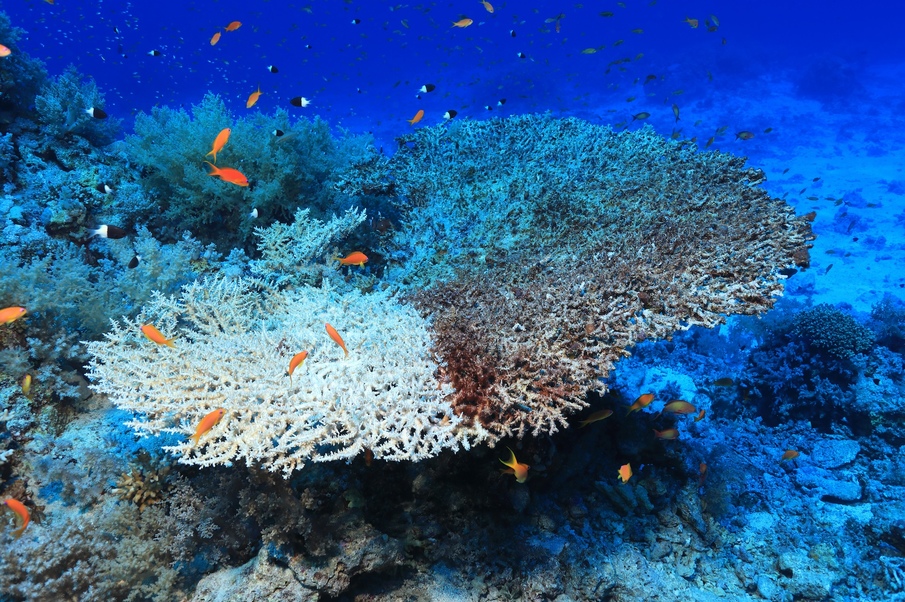
shifts, leading to ocean acidification. These chemical changes threaten marine
ecosystems and the coastal communities that depend on them. At the same time,
rising temperatures and declining oxygen levels are placing additional stress
on fisheries, economies, and global food security.
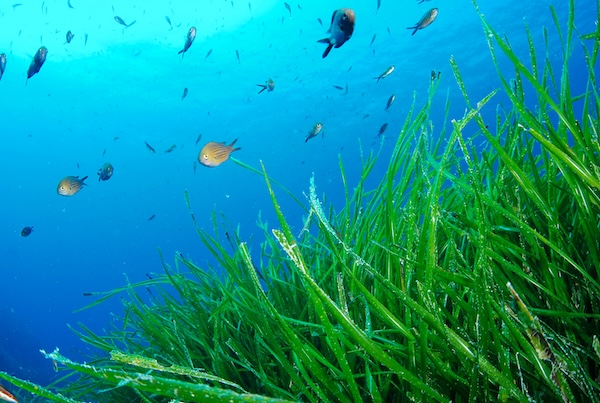
Yet the ocean is also central to possible climate solutions. A growing suite of ocean-based approaches offers potential pathways to reduce climate risks and support ocean health. These include marine renewable energy, restoration of “blue carbon” habitats like mangroves, seagrasses, and salt marshes, and technological interventions such as ocean alkalinity enhancement. To ensure these strategies are effective and responsible, they must be grounded in rigorous scientific assessment that safeguards marine life and preserves the integrity of ocean systems.
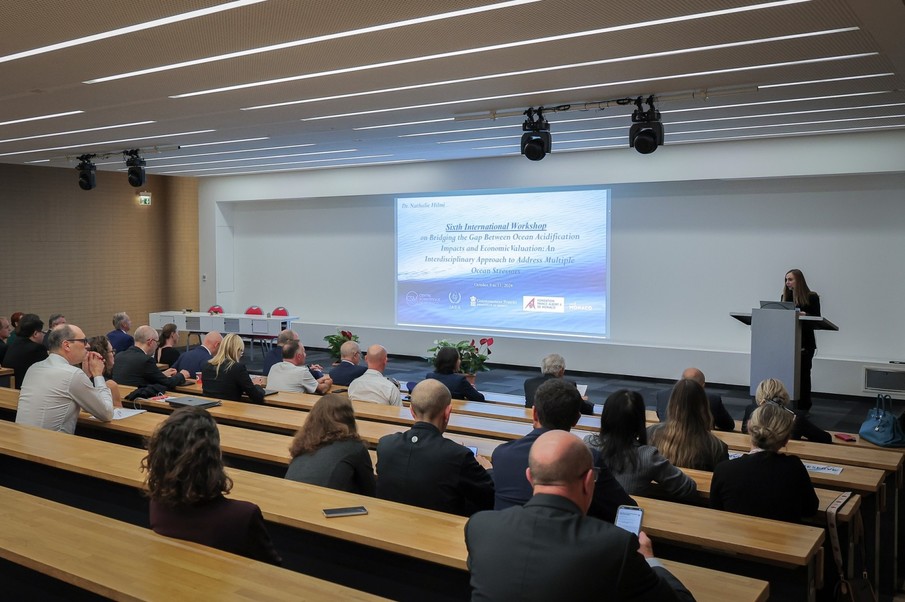
The Ocean Acidification and Other Ocean Changes – Impacts and Solutions (OACIS) initiative was created in 2013 by the Prince Albert II of Monaco Foundation and partners to study the effects of climate change on the ocean – such as acidification – as well as potential solutions that could mitigate these effects.



News

News
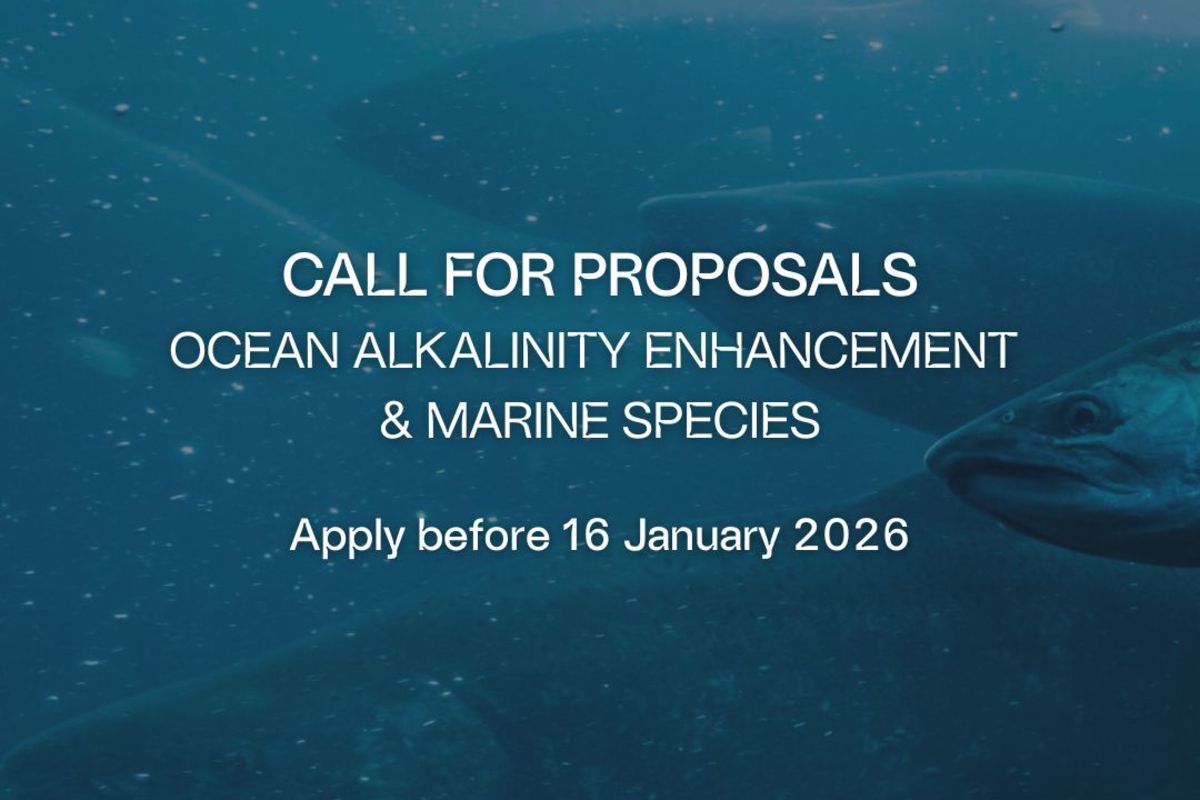
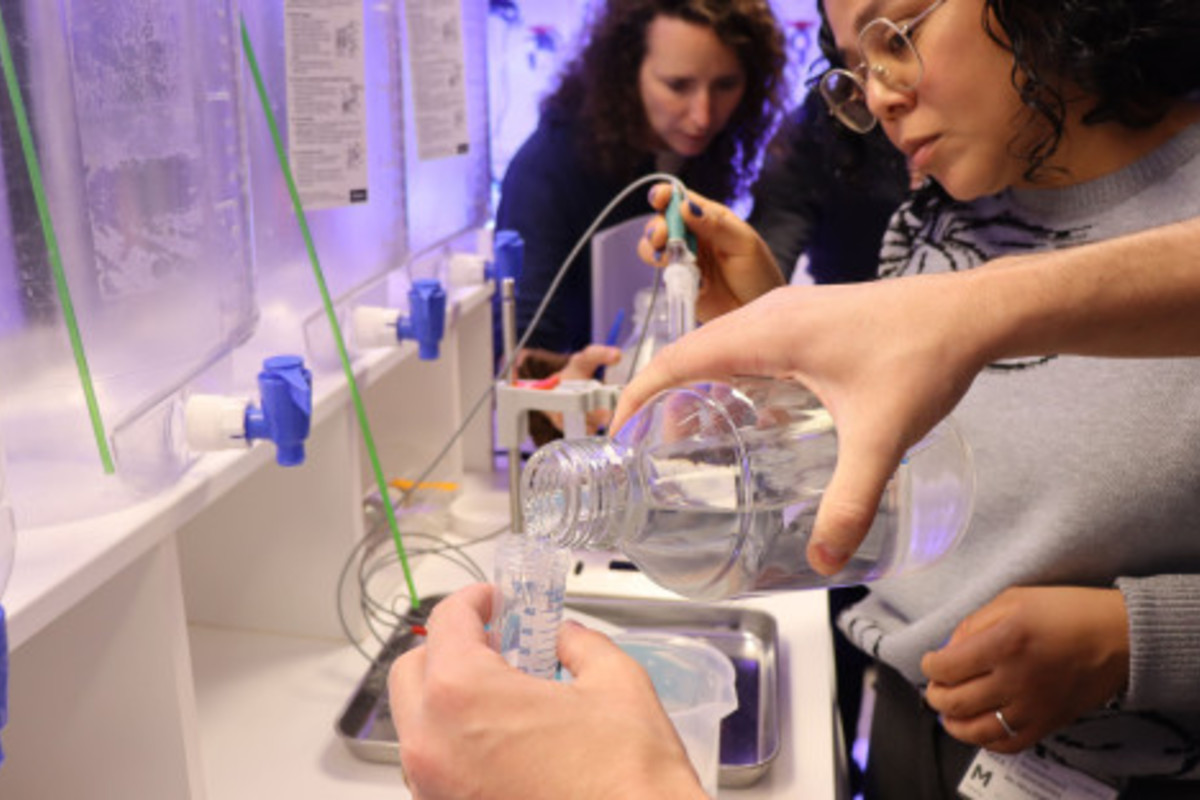
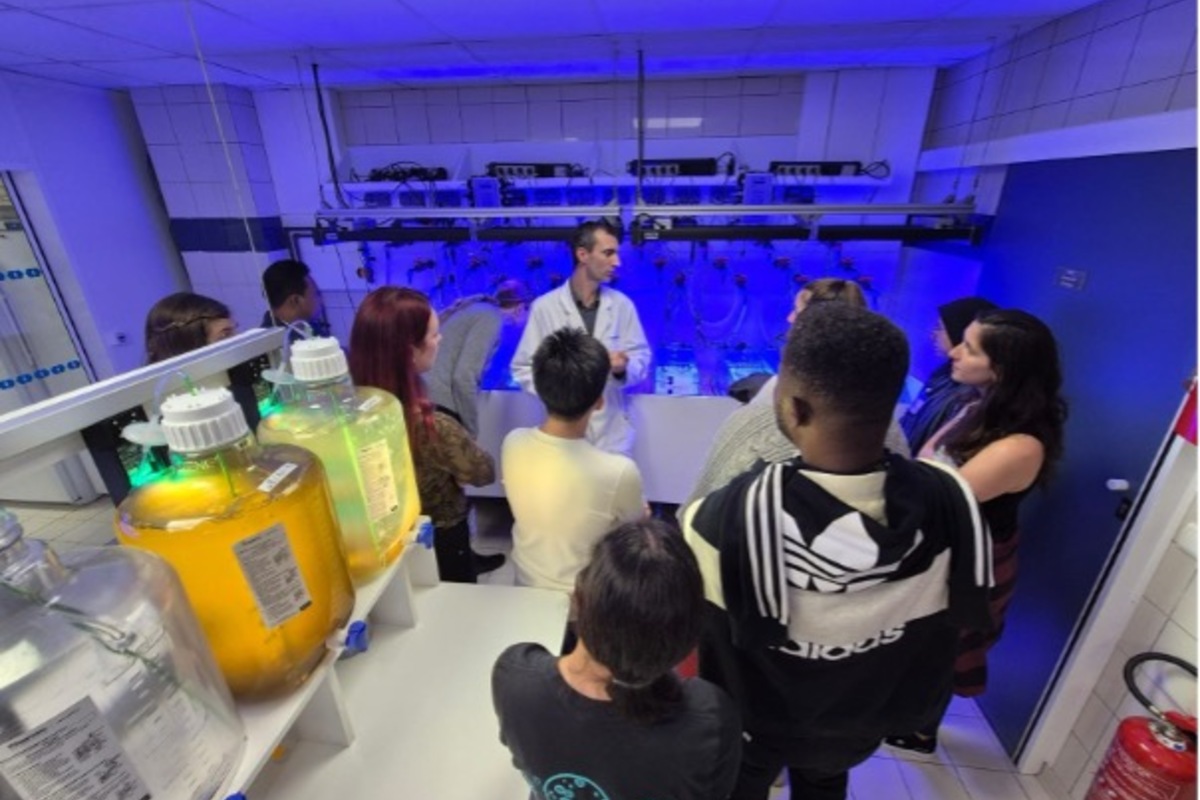
Apply before 30 April to the second edition of this training organized in the framework of OACIS
News
News

News
News

News
News
News
News