Description
Ocean alkalinity enhancement (OAE) has been proposed as an approach to increase the ocean’s uptake of atmospheric CO₂. By adding alkaline materials such as olivine or lime to seawater, OAE can potentially boost the ocean’s capacity to store carbon.
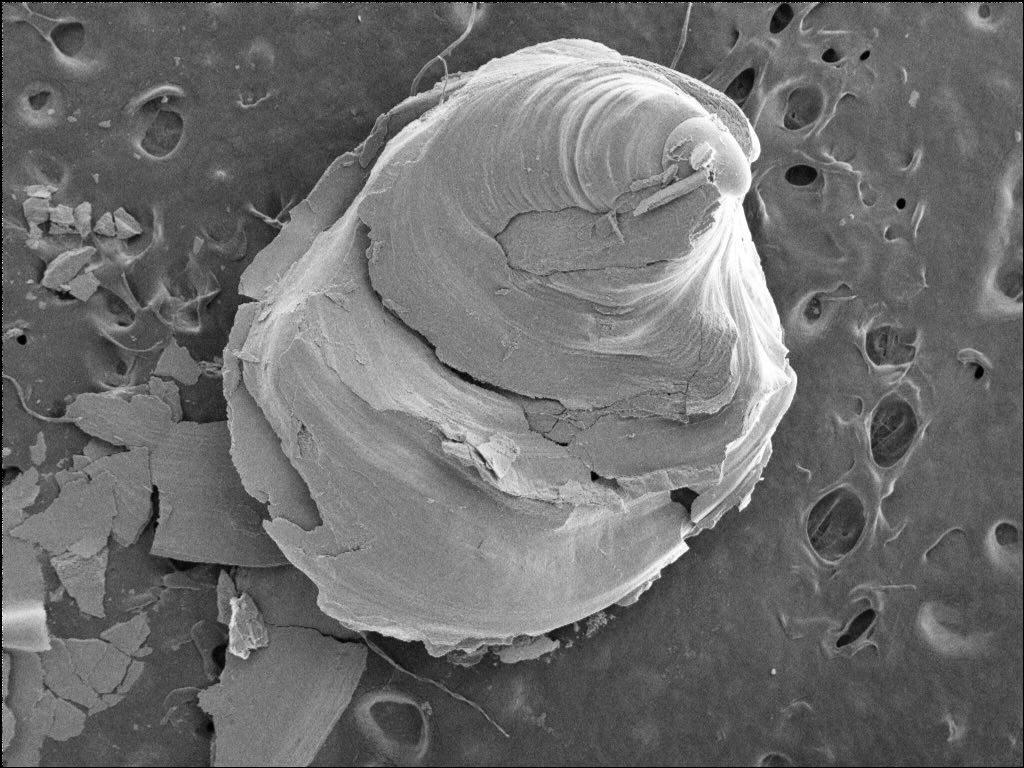
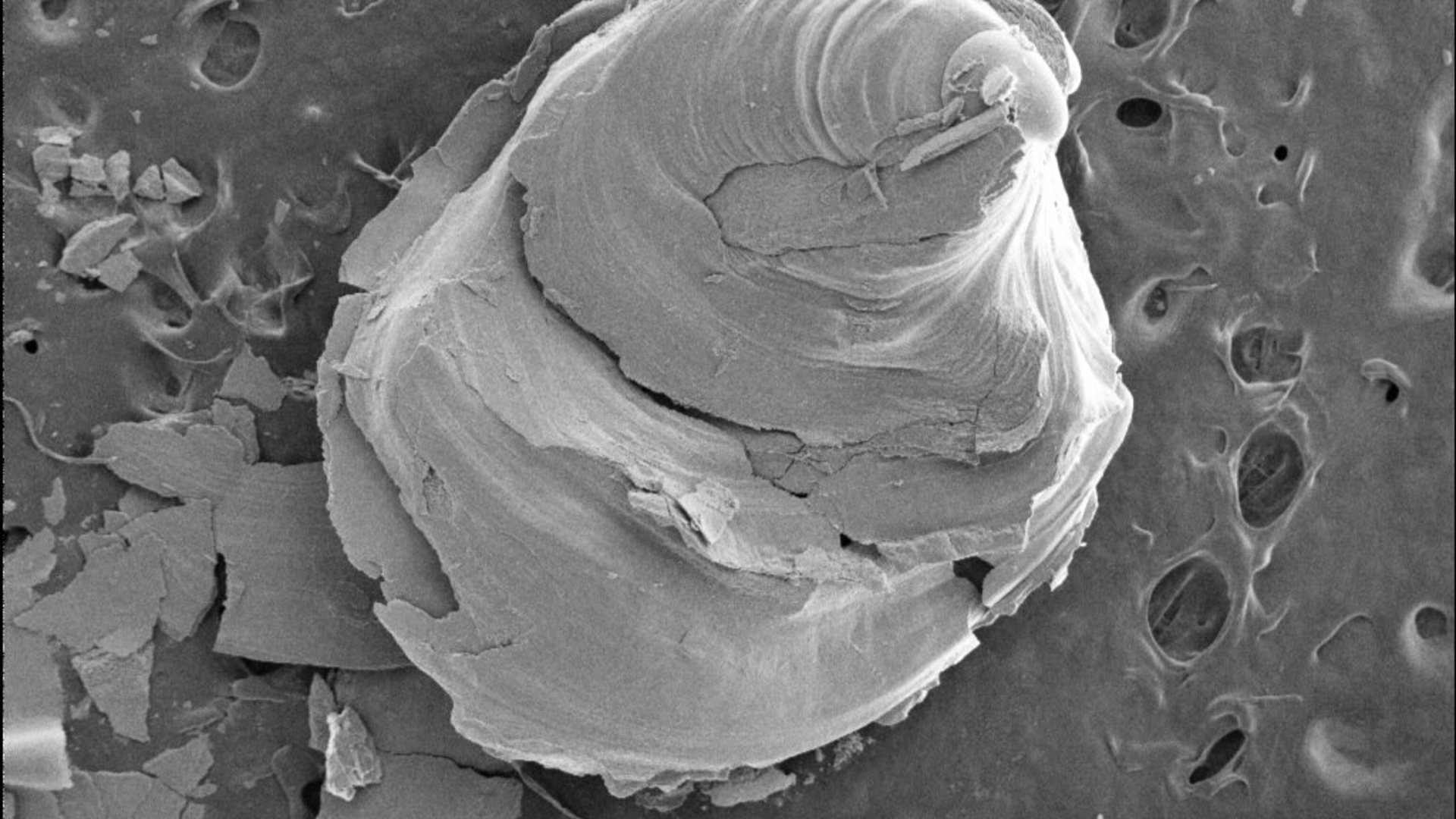
This project investigates how OAE might affect the commercially important Pacific oyster (Crassostrea gigas) during their larval and post-settlement stages. When minerals such as olivine and lime dissolve, they can release calcium, magnesium, and trace metals—including potentially harmful heavy metals. Understanding how these byproducts affect marine organisms is essential.
This study addresses both biological and chemical impacts. The biotic component examines heavymetal bioaccumulation (e.g., nickel) in oyster tissues and evaluates how elevated calcium and magnesium levels influence oyster physiology and shell formation. The abiotic component investigates how olivine and lime dissolve under different temperature and pH conditions, including the potential for secondary mineral precipitation that could reduce the effectiveness of OAE.
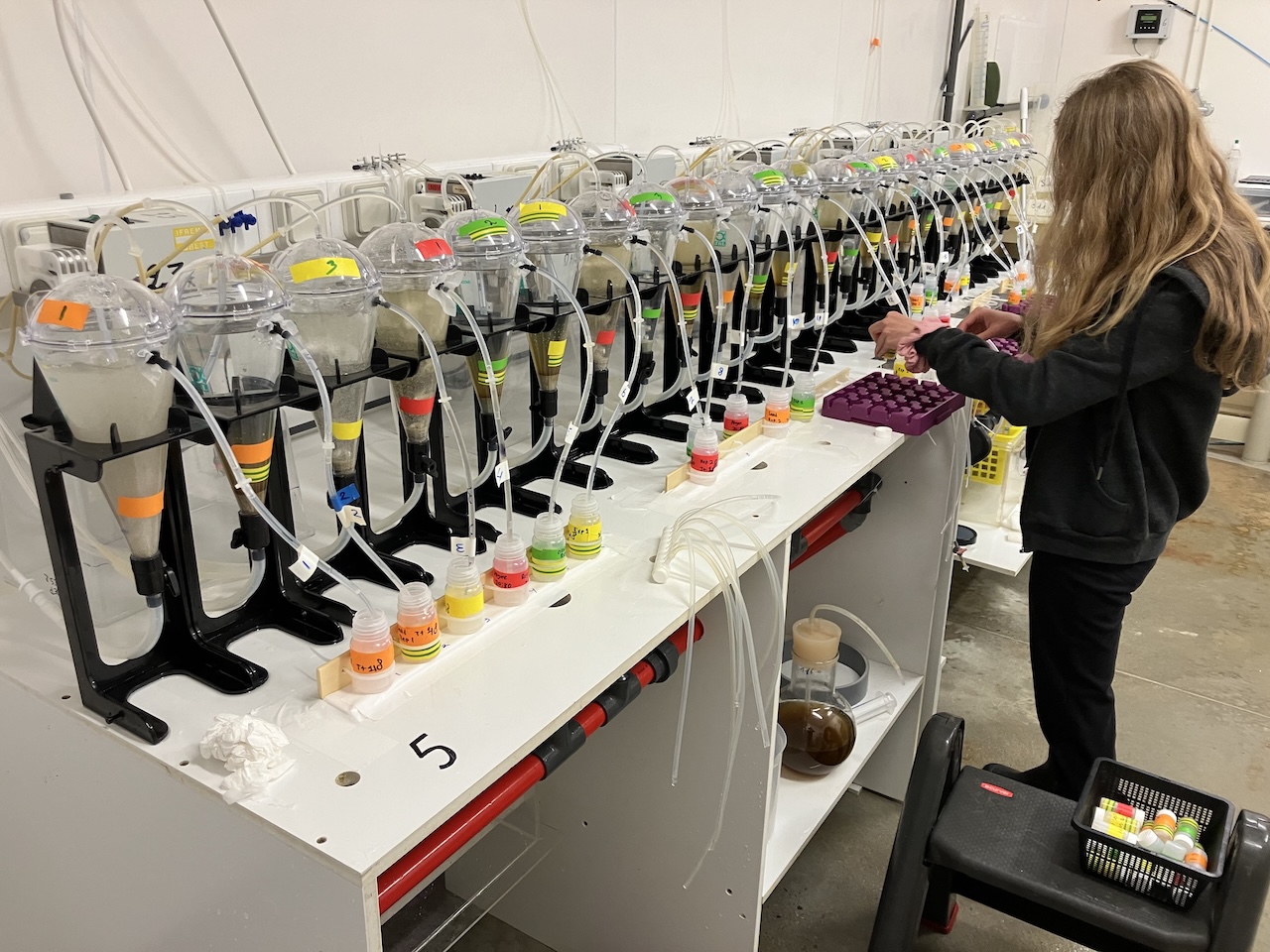
Two major controlled laboratory experiments will be conducted in Brittany and Villefranche-sur-Mer, France. Together, these experiments will help close critical knowledge gaps about the possible unintended consequences of OAE and inform responsible evaluation of this emerging climatemitigation strategy.