Description
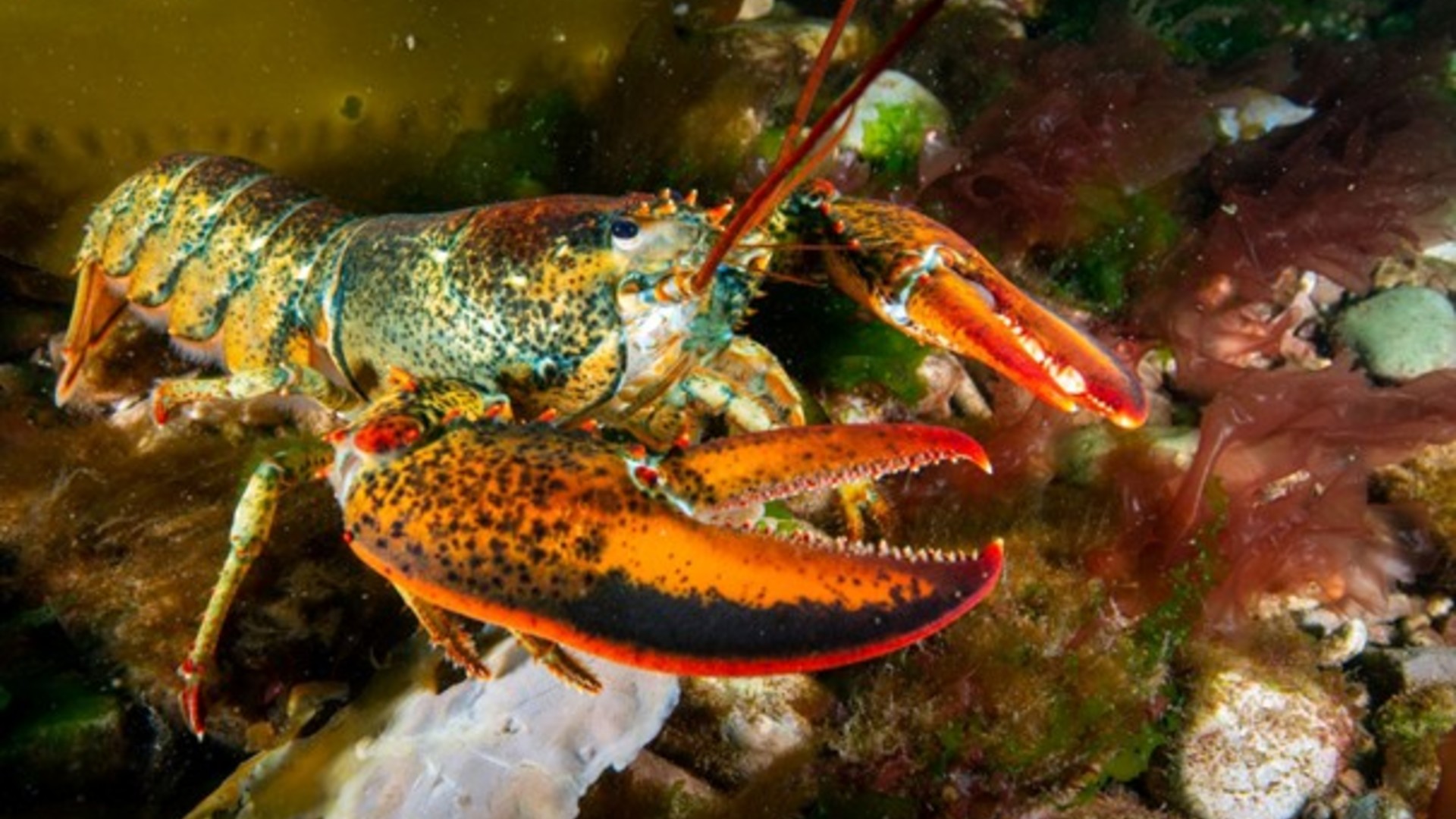
Ocean alkalinity enhancement (OAE) is an emerging approach for marine carbon dioxide removal (mCDR). OAE involves the addition of alkaline feedstocks to the surface ocean to enhance the uptake and sequestration of atmospheric carbon dioxide. However, our ability to predict, mitigate, and regulate potential ecosystem impacts is limited by a lack of experimental studies evaluating the sensitivity of marine animals to OAE conditions. This project will use experimental approaches to quantify impacts and identify sensitivity thresholds in two study species: the commercially valuable crustacean American lobster (Homarus americanus) and the recreationally important teleost fish tautog (Tautoga onitis). Specific focus will be given to their early development stages, which have the greatest likelihood of exposure to OAE conditions during in-water trials and the highest potential sensitivity to changes in pH and carbonate chemistry. Sodium hydroxide (NaOH) will be used as the alkalinity source, offering several advantages as an experimental feedstock. Robust, reproducible methods will be used to assess key physiological traits that may be impacted by elevated pH and alkalinity, including fertilization success, survival, growth, development, metabolic rates, and ammonia waste excretion. The proposed research will help define safe operating limits and inform regulations for the growing mCDR industry.