Second Training on Assessing the Biological Impacts of Ocean Alkalinity Enhancement
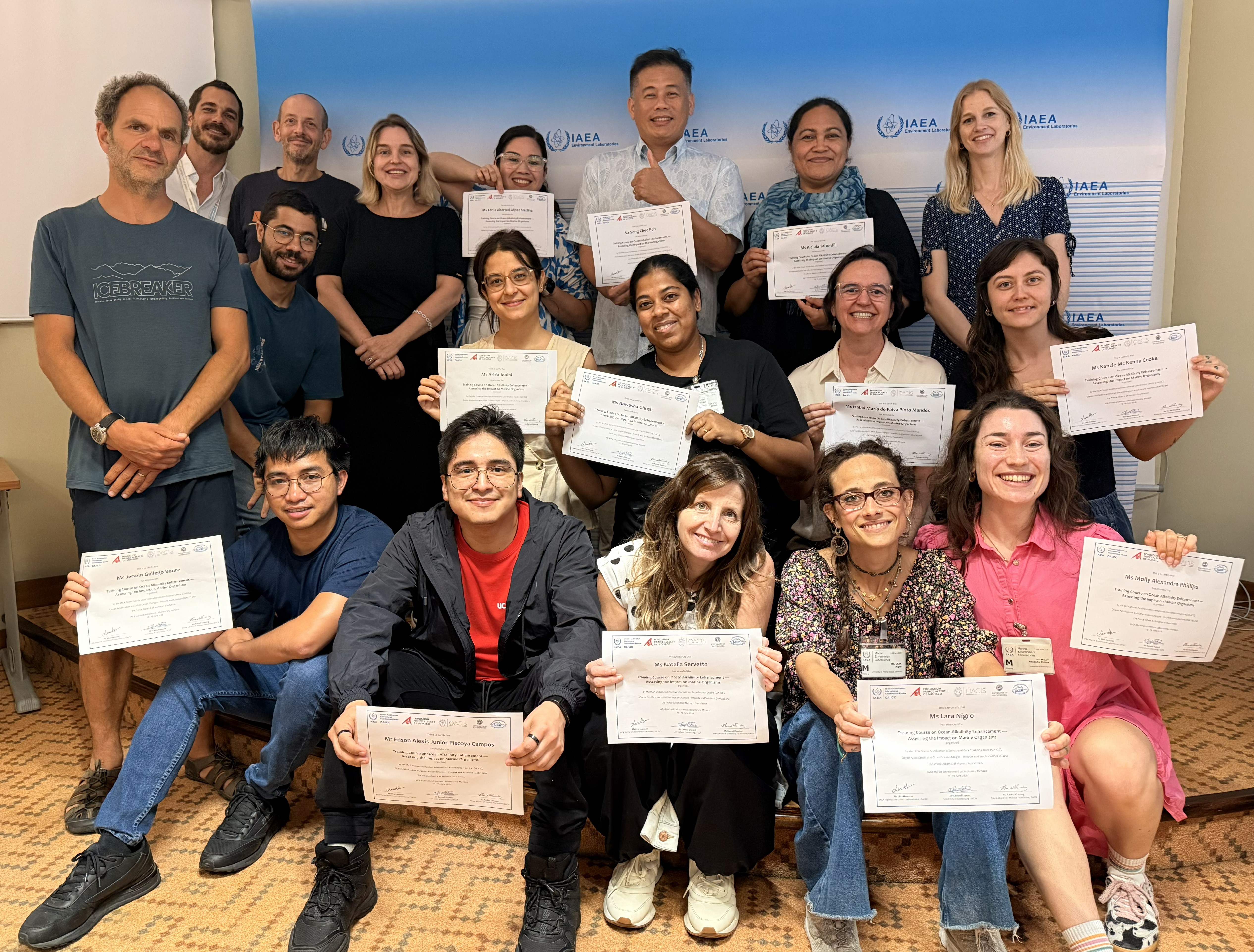
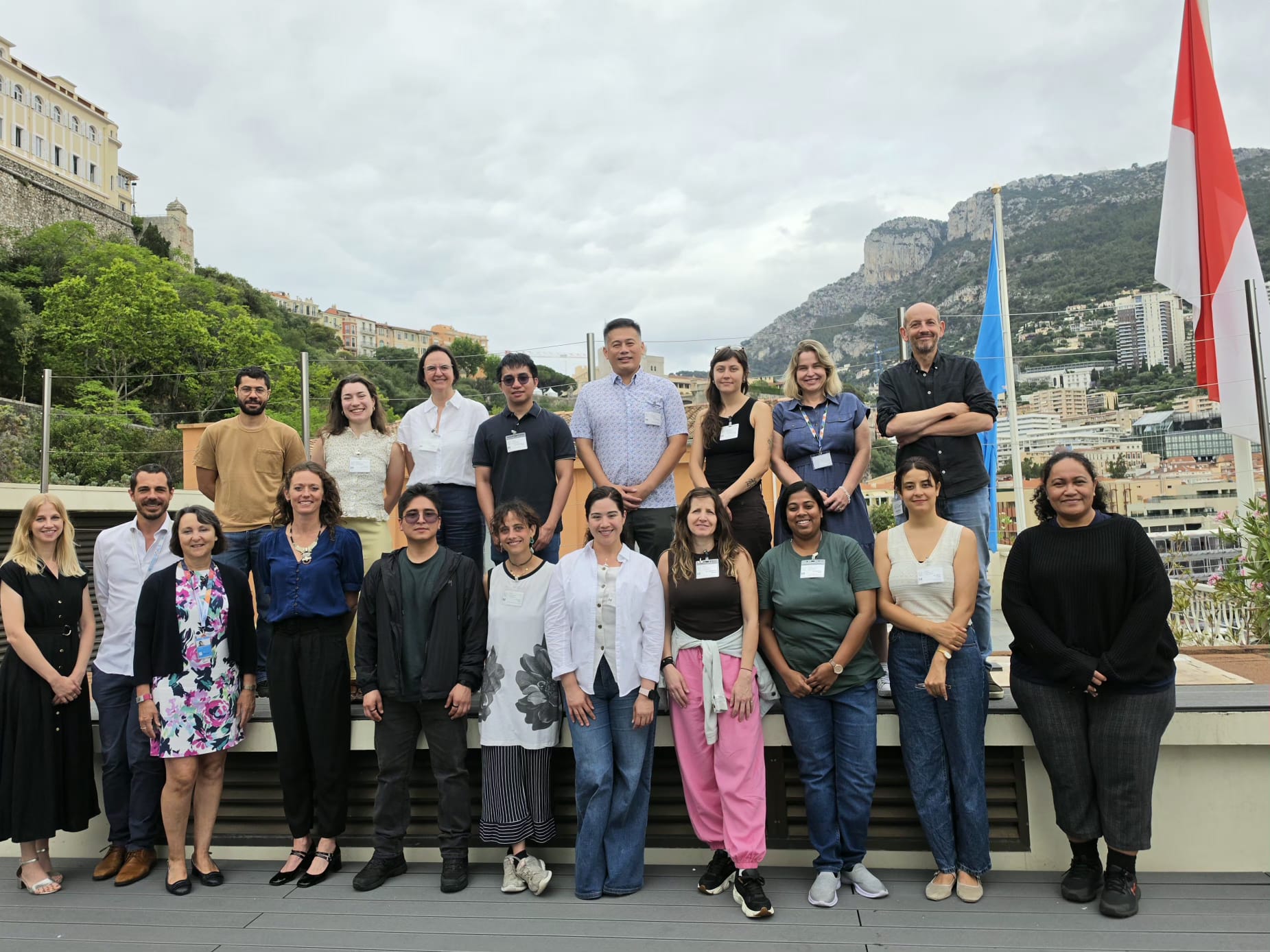
Twelve participants from as many countries gathered in Monaco from 15-19 June 2026 for the seond edition of a training course on the biological impacts of Ocean Alkalinity Enhancement (OAE). The course was organized by the IAEA Ocean Acidification International Coordination Centre (OA-ICC) in partnership with the Prince Albert II of Monaco Foundation through its OACIS Initiative (Ocean Acidification and other ocean Changes – Impacts and Solutions).
The ocean is facing increasing pressures from warming, acidification, and deoxygenation, all of which negatively affect marine ecosystems as well as the communities and societies that depend on them. At the same time, the ocean—which covers approximately 70% of the Earth’s surface—has the potential to play a key role in addressing climate change. Achieving the goals of the Paris Agreement and limiting global warming to well below 2°C will require not only substantial reductions in carbon dioxide (CO₂) emissions, but also the active removal of an estimated 100–1000 Gt of CO₂ from the atmosphere during the 21st century (IPCC, 2018). Ocean Alkalinity Enhancement (OAE) is a marine Carbon Dioxide Removal (mCDR) strategy that is attracting increasing interest from the scientific community, policymakers, and industry. The approach involves adding alkaline materials to seawater to enhance the ocean’s capacity to absorb atmospheric CO₂.
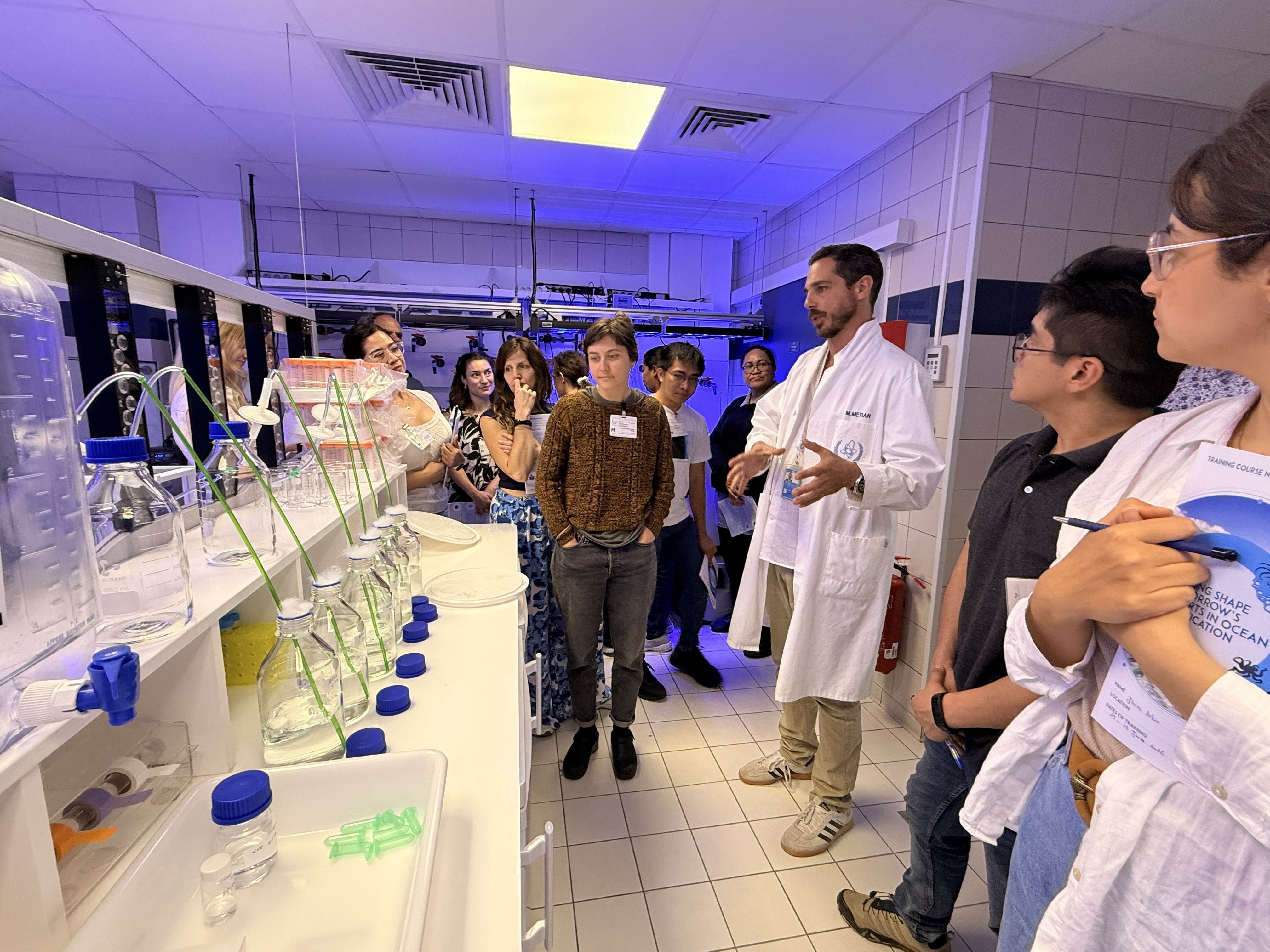
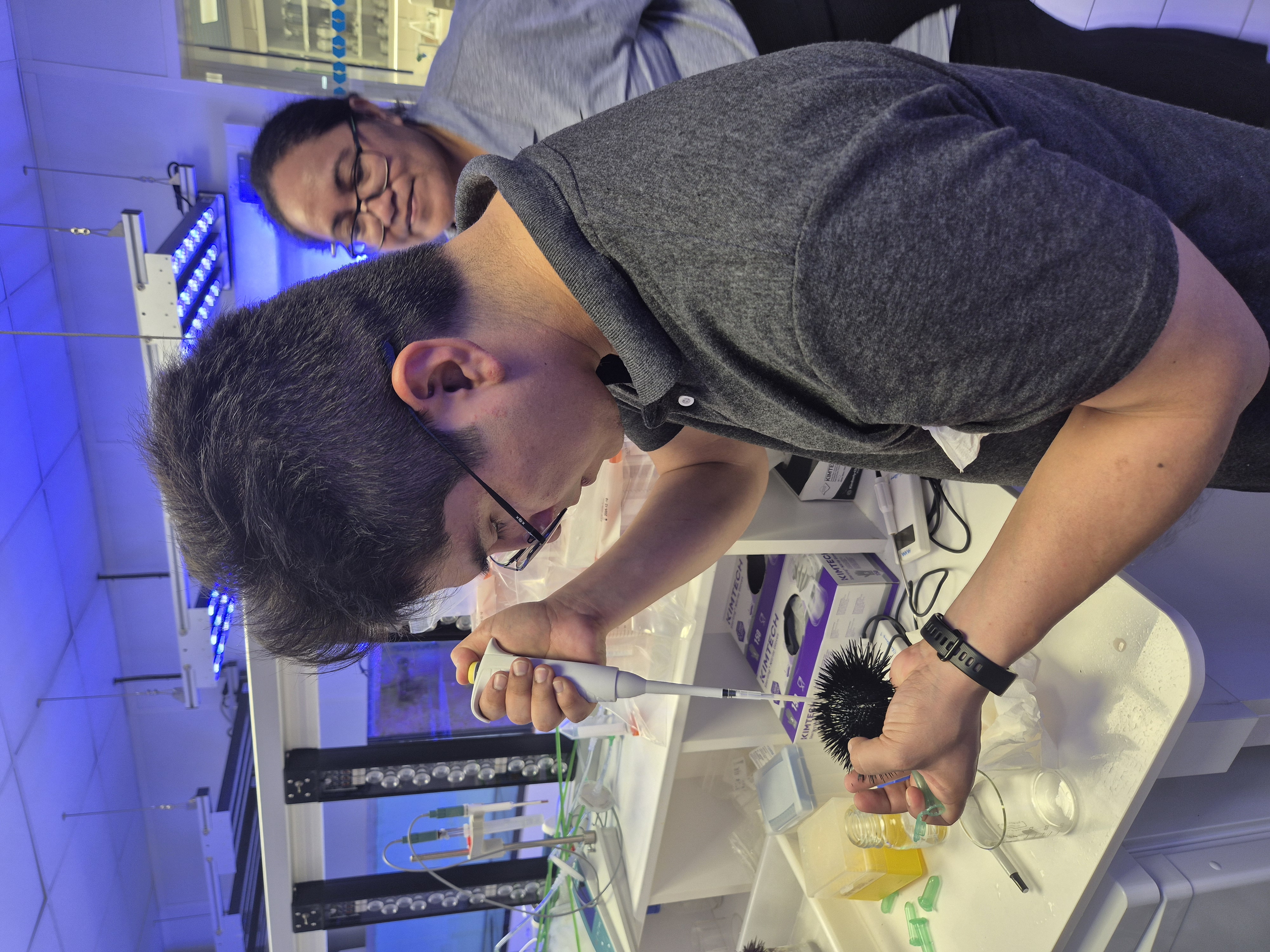
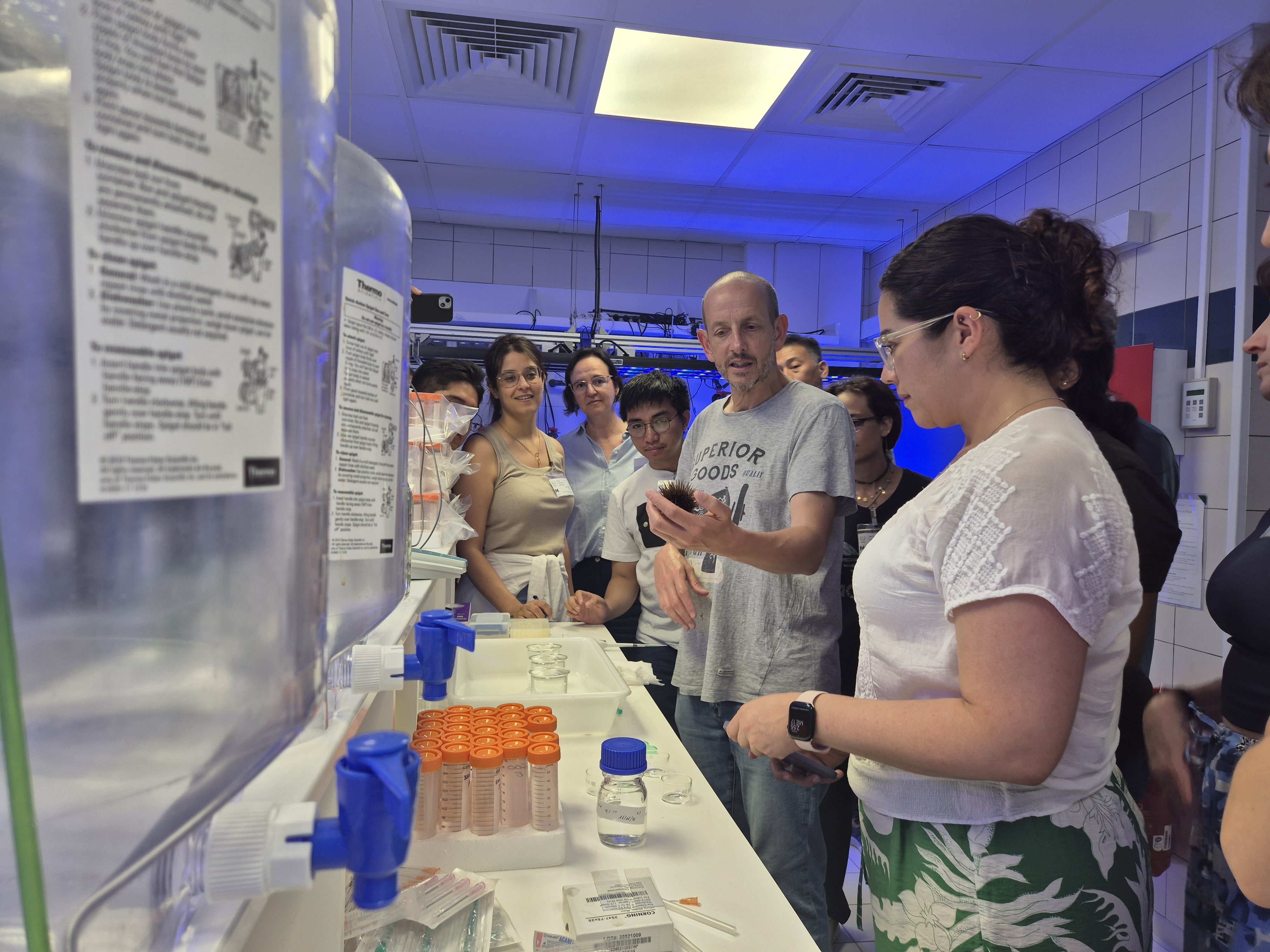
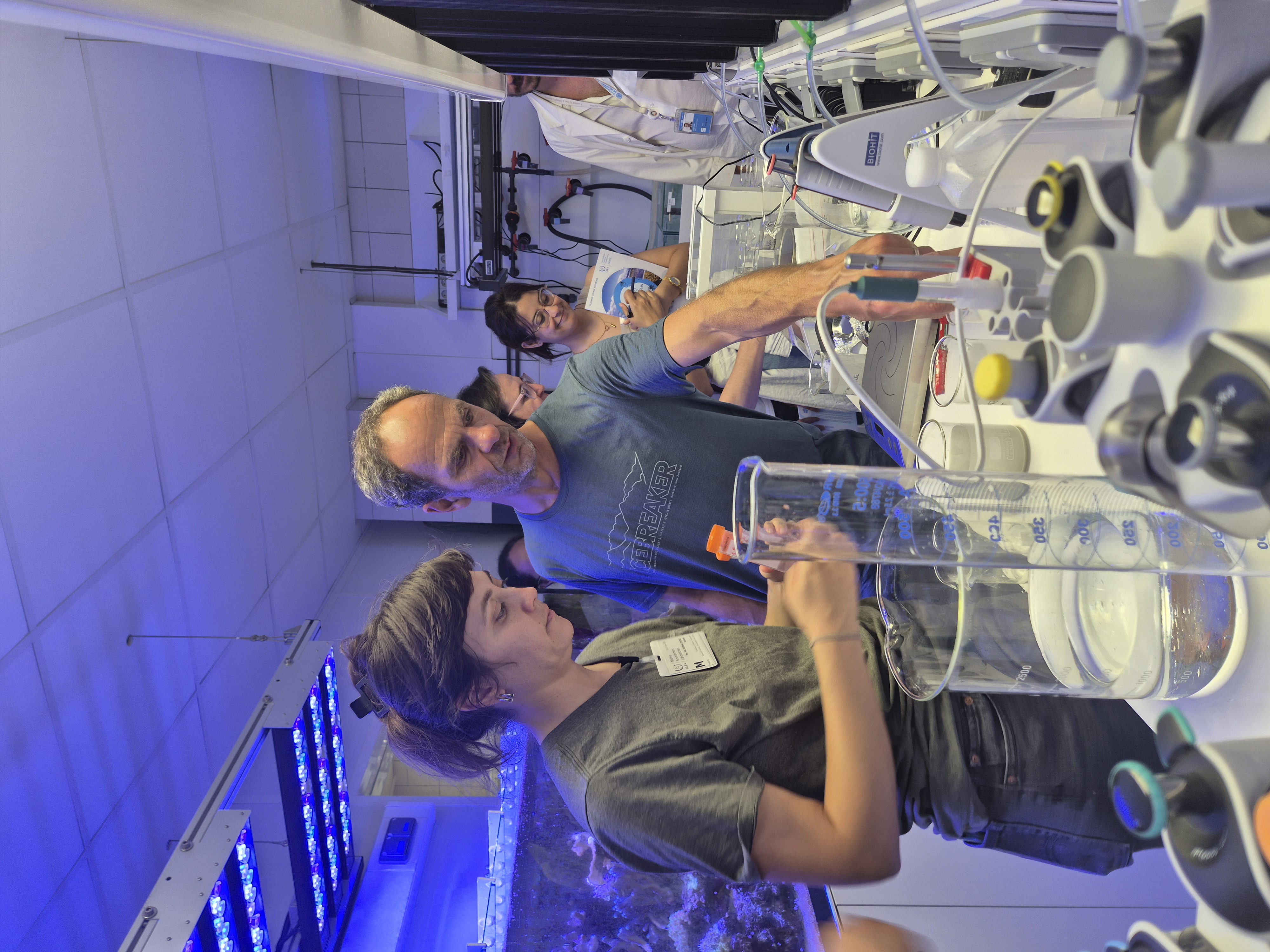
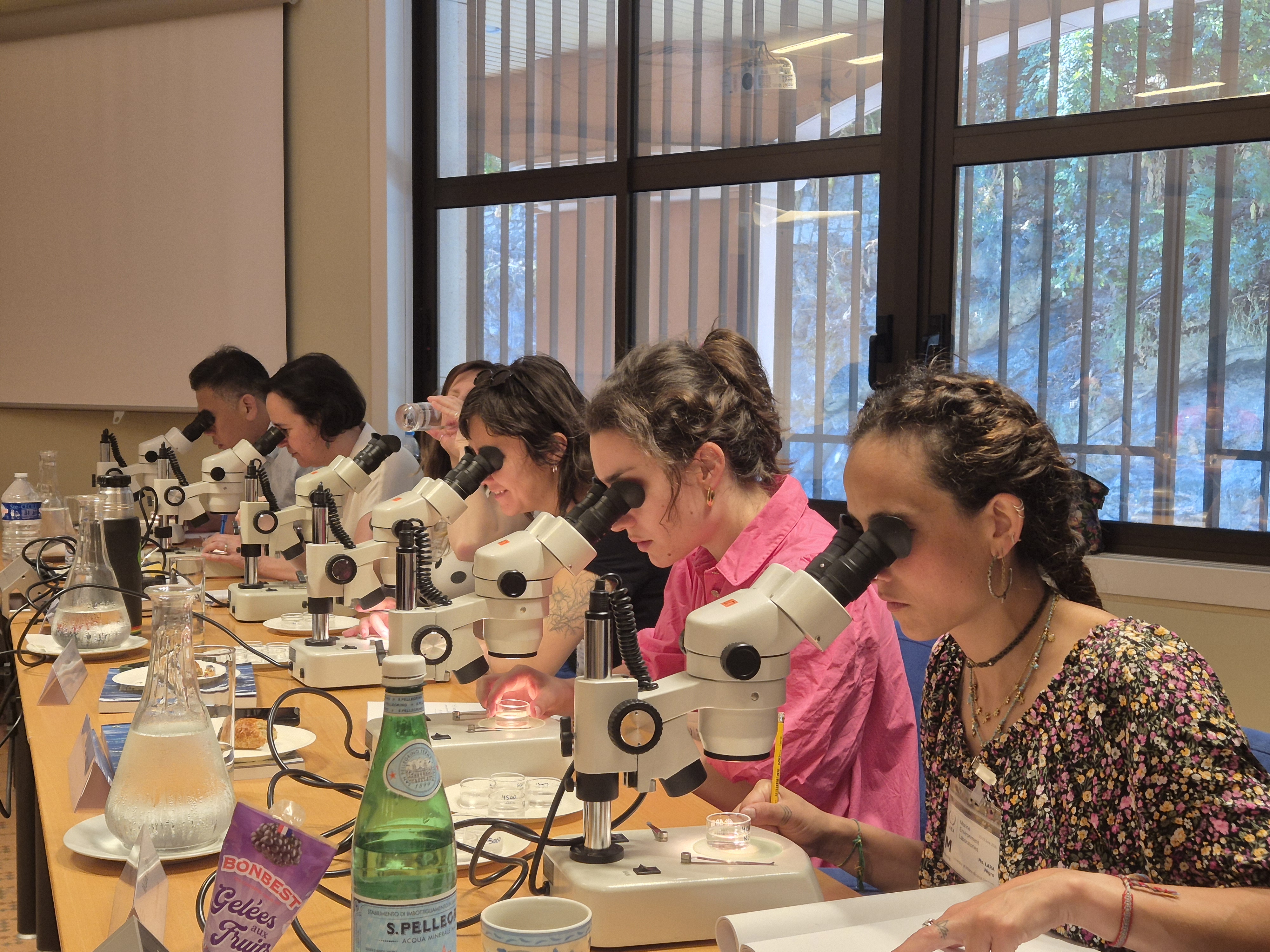
Despite growing attention, there is still limited scientific understanding of the potential effects of OAE on marine organisms and ecosystems. Developing the technical expertise needed to evaluate these ecological impacts is therefore essential to support evidence-based policy decisions before any deployment of OAE. This was the second edition of this training course aimed at strengthening scientists’ capacity to conduct laboratory experiments assessing the potential impacts of OAE on marine organisms. Building on the OA-ICC’s long-standing expertise in training researchers to investigate the effects of changing carbonate chemistry, the course combined lectures with practical laboratory activities. Participants gained hands-on experience in designing robust experiments, analysing complex datasets, identifying and avoiding common methodological pitfalls, and ensuring that results are comparable across studies. In addition, the programme included sessions on the broader context of OAE, including societal and governance considerations.
The course was largely based on the 2023 Guide to Best Practices for Ocean Alkalinity Enhancement Research, with a particular emphasis on the chapters addressing experimental design. Participants represented a diverse range of countries, including Argentina, Chile, France, India, Italy, Malaysia, Mexico, the Philippines, Portugal, Samoa, the United Kingdom, and the United States.