First Training on Assessing the Biological Impacts of Ocean Alkalinity Enhancement
While drastically cutting carbon dioxide (CO2) emissions remains the highest priority to addressing climate change, interest is growing in marine dioxide removal (mCDR) techniques as part of the climate solution.
Ocean alkalinity enhancement (OAE) is an mCDR method that has the potential to increase the ocean’s capacity to absorb atmospheric CO2 by changing ocean chemistry through the addition of alkaline materials, such as lime or olivine. OAE also has the potential to mitigate ocean acidification locally, but the impacts of this technique on marine life are poorly understood.
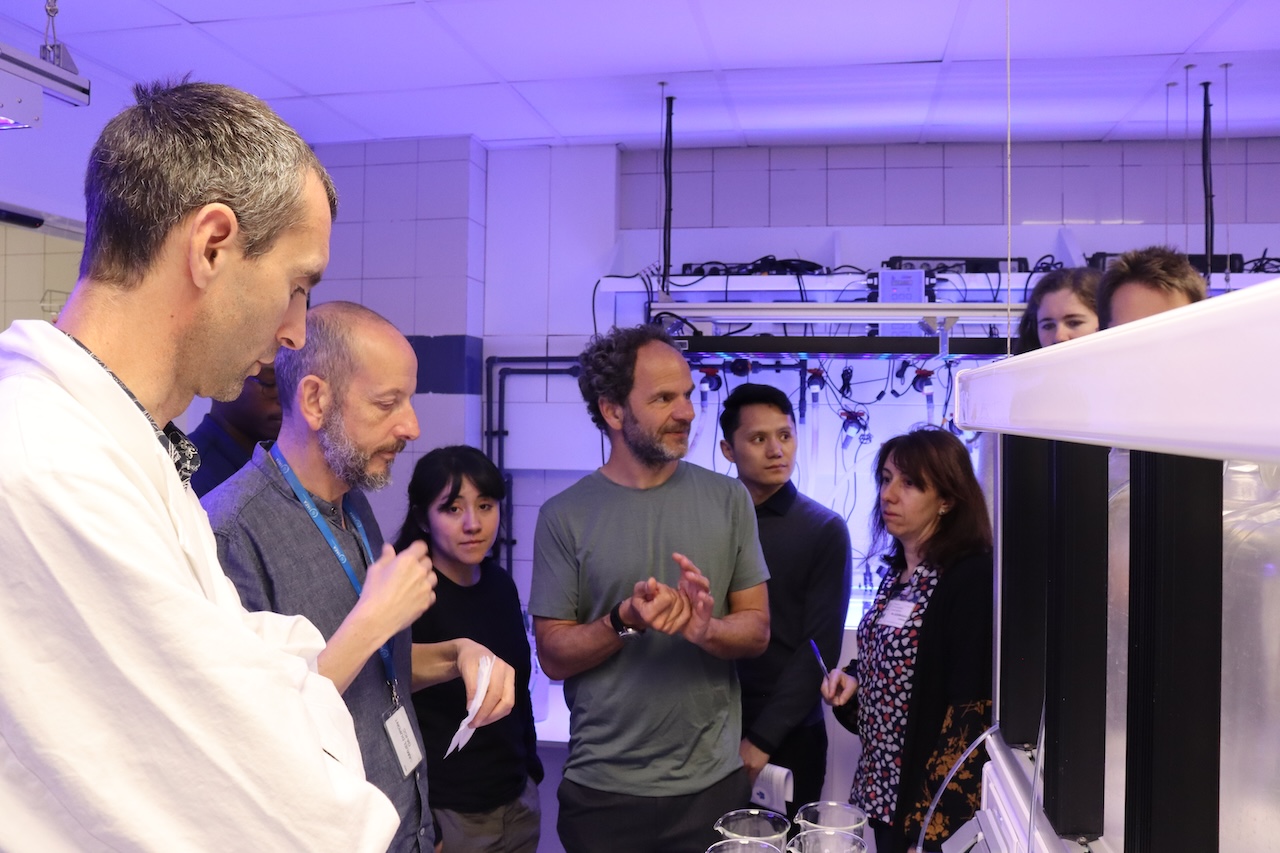
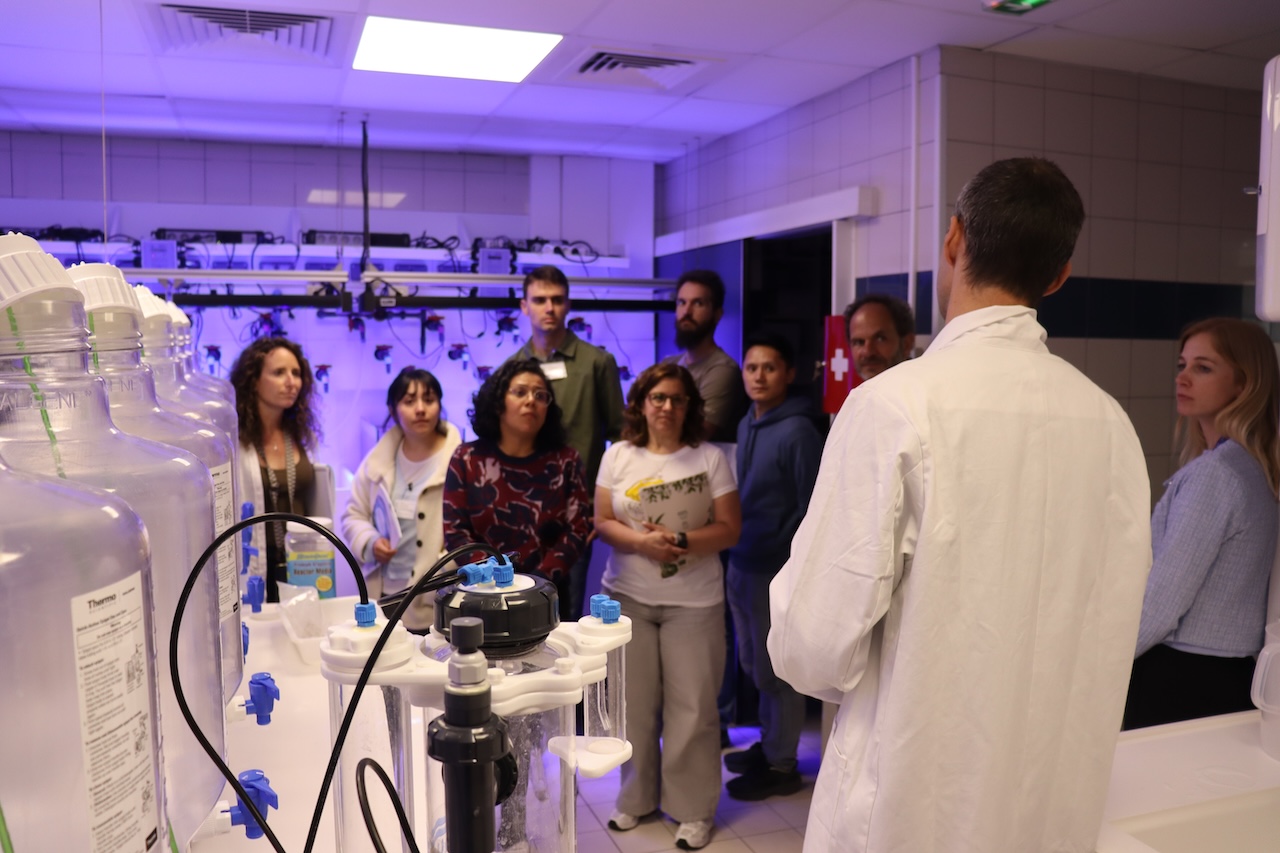
A first-of-its-kind training course to equip scientists to evaluate the impacts of OAE on marine organisms was organized from 7-11 April 2025 at the IAEA Marine Environment Laboratories. The IAEA OA-ICC organized the course in partnership with the Prince Albert II of Monaco Foundation through the OACIS Initiative.
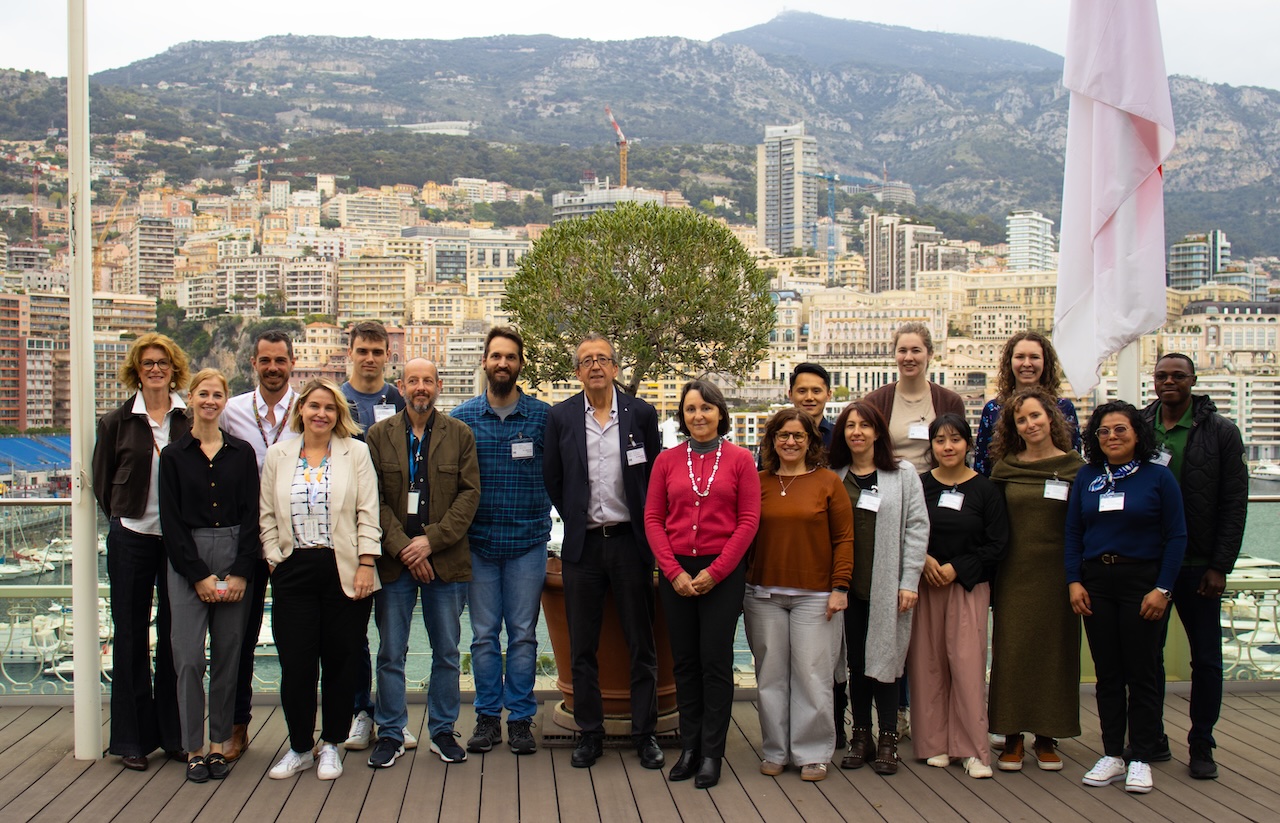
Ten scientists from Argentina, Chile, China, Colombia, Germany, Greece, Italy, Mozambique, Portugal, and the USA participated in the inaugural training course, which included lectures, interactive discussions, and hands-on activities in the laboratory. Experts from the IAEA, Laboratoire d’Oceanographie de Villefranche, and the Institut Francais de Recherche pour l’Exploitation de la Mer (Ifremer) also contributed to the course as lecturers.
The course content was largely based on the 2023 Guide to Best Practices in Ocean Alkalinity Enhancement Research, which was co-authored by IAEA researches and supported by OACIS. Students received lectures on how to measure and calculate seawater chemistry, various approaches to produce alkalinity in seawater, and designing laboratory experiments to test the impacts of these alkaline substances on species of interest.
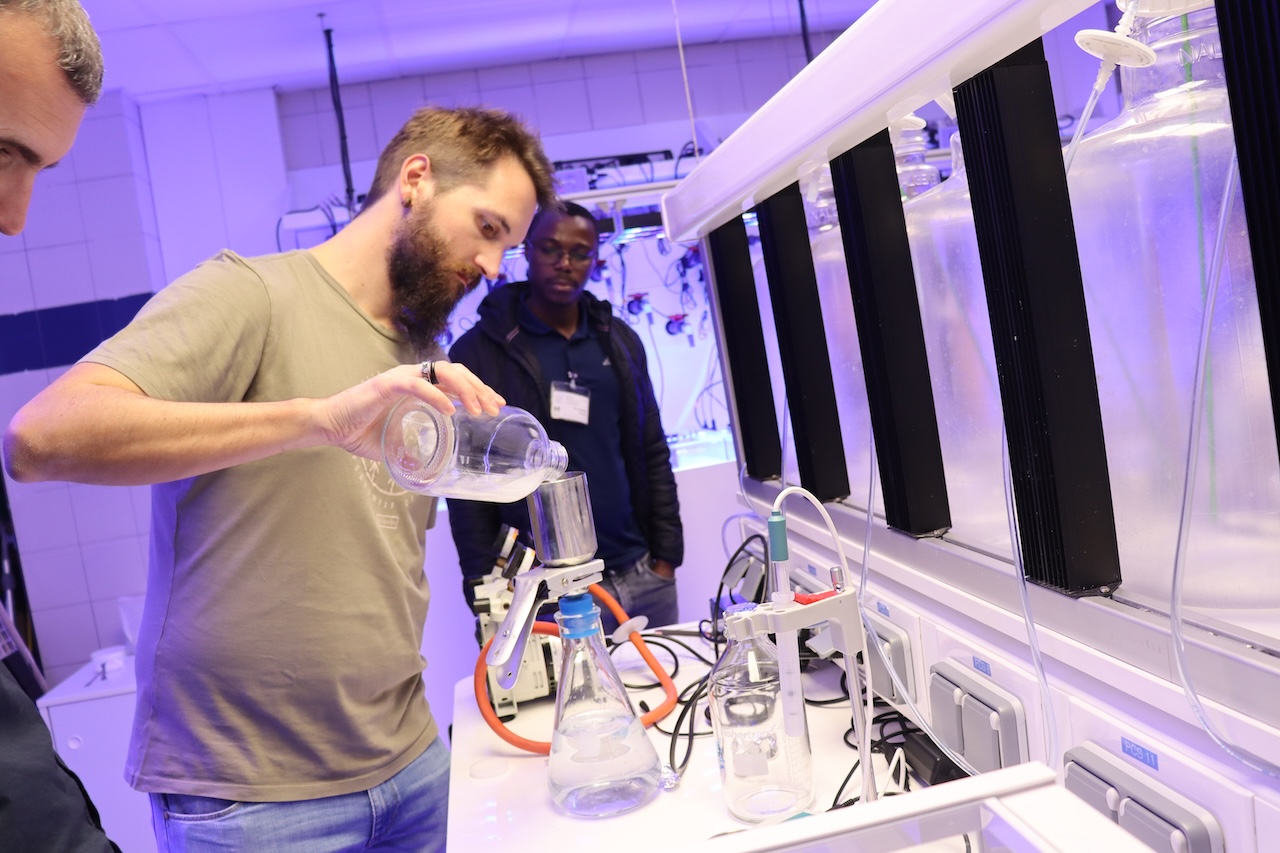
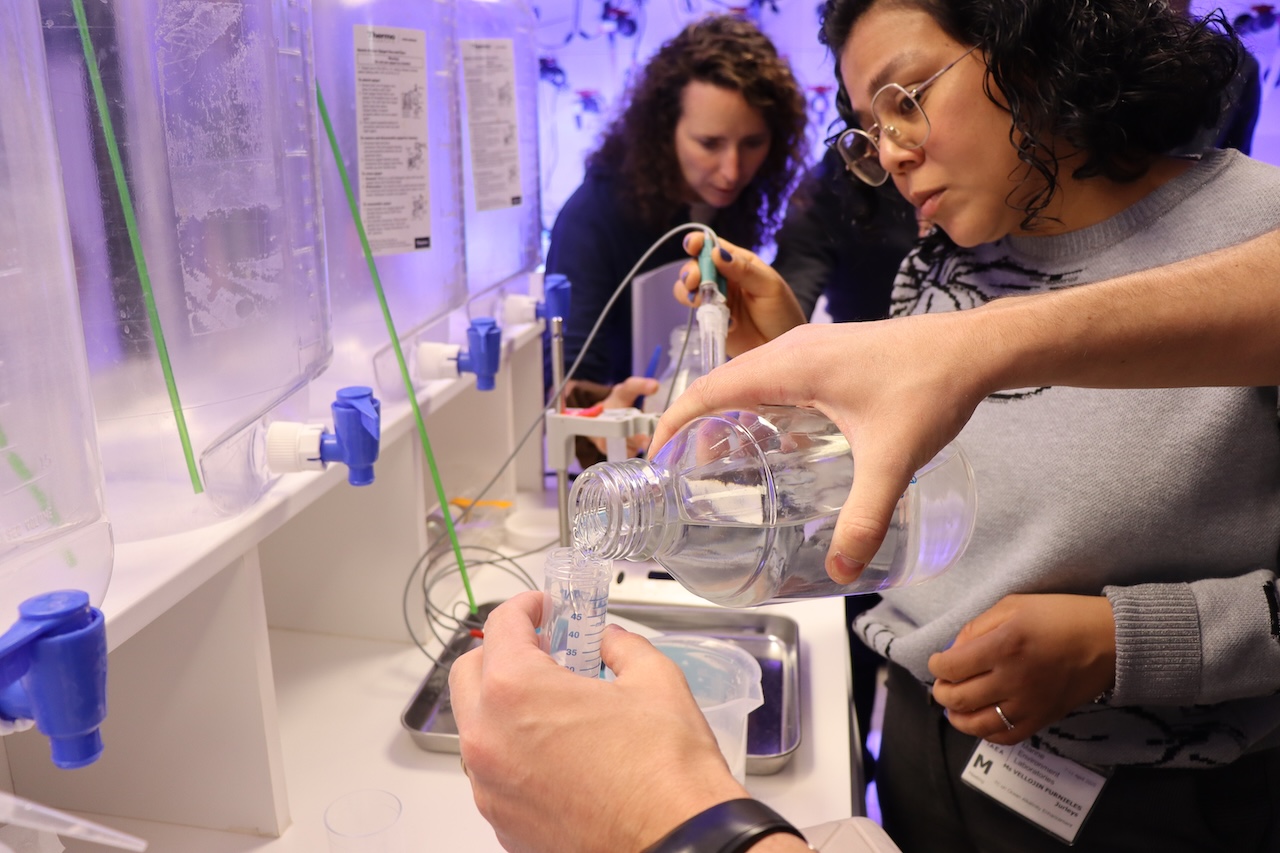
The students put this knowledge into action through work in the laboratory, where they conducted an experiment testing the impacts of increased alkalinity on sea urchin larvae. They ended the course ready to take this expertise back to their home countries and design OAE research on species important to their regions.